By Tal Bar-Or, Founder & CEO of Altina
Since Altina emerged from stealth, I’ve been asked what AI-powered hearing enhancement actually means and how our approach differs from existing solutions. The answer starts with a distinction that industry marketing often obscures: AI has been used in hearing aids for more than two decades, but not all AI is doing the same thing.
2004: Phase 1 - AI for sound scene classification
AI, specifically machine learning, first appeared in hearing aids as a way to classify the wearer’s listening environment and automatically adjust hearing settings. The Phonak Savia, introduced in 2004, was the first clearly documented hearing aid to use machine learning for full sound-scene classification and automatic program selection through its AutoPilot system. It could identify speech in a noisy environment and switch to directional microphones, or recognize music and adjust settings to preserve sound quality.
Over the following years, products such as the GN ReSound Azure and Widex UNIQUE expanded environmental classification with additional listening categories and more tailored adjustments. By 2017, automated sound-scene classification was widespread among premium hearing aids, many costing $5,000 or more per pair. Yet a fundamental challenge remained: separating the speech a wearer wanted to hear from competing background noise.
2020: Phase 2 - AI for speech-from-noise separation
Separating speech from noise is substantially more difficult than classifying a listening environment. Instead of selecting an appropriate hearing-aid setting, a neural network must continuously identify speech within incoming audio and suppress unwanted sounds while preserving speech quality.
Some of the earliest commercial implementations appeared in 2020 and relied on external processing. Starkey’s IntelliVoice used a paired smartphone, while startup Whisper introduced hearing aids connected wirelessly to a separate pocket-sized processor. Both demonstrated the potential of AI-based speech enhancement, but relying on a companion device added friction to everyday use.
The transition to onboard processing began later that year with Oticon More, the first hearing aid with an onboard deep neural network for sound processing. A further breakthrough came in 2024, when Phonak released the Audéo Sphere Infinio, the first hearing aid with a dedicated AI chip specifically designed for real-time speech-from-noise separation. Other products followed, including GN ReSound Vivia and Fortell’s hearing aids, delivering increasingly sophisticated speech enhancement on dedicated AI chips in more challenging listening environments.
2025: Phase 3 begins - The rise of shared AI silicon
An AI arms race is emerging in the hearing aid industry, with manufacturers investing heavily in proprietary chips and algorithms to improve speech-in-noise performance. Historically, leading hearing aid companies developed or commissioned custom silicon because few other products demanded the same combination of miniaturization, low power consumption, and real-time audio processing.
Today, earbuds, smart glasses, and other wearables increasingly share those requirements, creating a much larger market for specialized third-party AI chips. The scale difference is significant: EHIMA members sold 23.2 million hearing aids in 2025, while IDC forecasts more than 400 million hearables in 2026. These processors are already appearing in commercial hearing products, making advanced onboard speech enhancement possible without requiring every manufacturer to fund its own semiconductor program.
History has shown that when computing needs expand beyond a single product category, shared semiconductor platforms can advance faster and reach lower costs by spreading development investments across larger markets. What was once a necessary competitive advantage can become an expensive constraint when semiconductor R&D must be spread across a relatively small device base.
As AI silicon becomes more widely available, the competitive advantage shifts toward acoustic architecture, software, system integration, and product design. But the larger opportunity is not simply to make hearing aids better or less expensive. It is to bring hearing enhancement to people traditional hearing aids have failed to reach.
The next frontier for hearing enhancement: adoption
More than 1.5 billion people worldwide live with hearing loss, yet more than 80% of those who could benefit from hearing aids don’t use them. Stigma, discomfort, cost, and limited access remain persistent barriers.
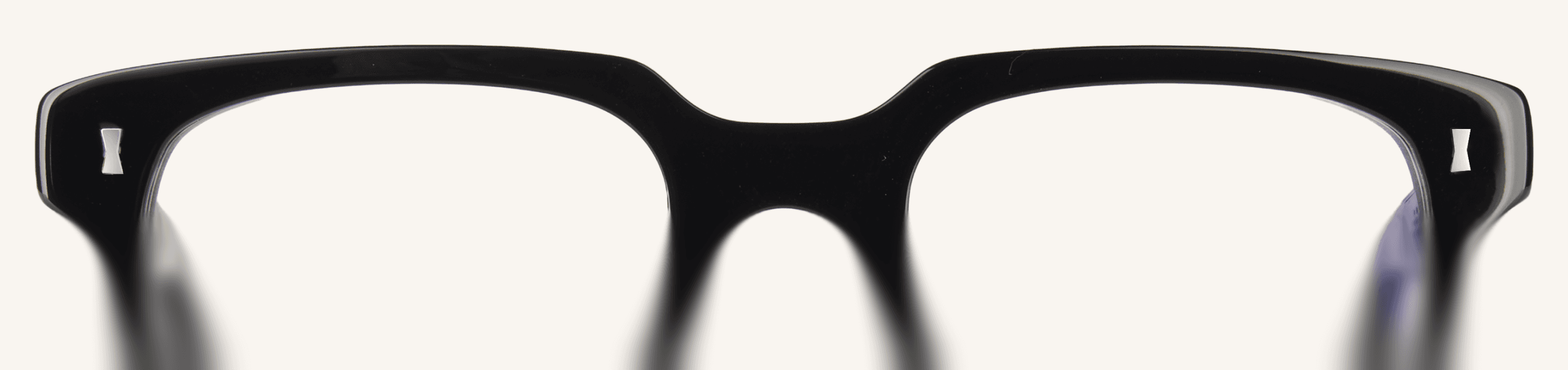
At Altina, we believe the next breakthrough in hearing enhancement will not be defined by whose chip has the most processing power. It will be defined by whether the technology fits naturally into people’s lives. That is why we are combining our proprietary acoustic architecture, software, and product design with leading partners across AI silicon, eyewear, and hearing technology to bring advanced hearing enhancement into something millions of people already wear every day: premium glasses they genuinely want to wear.